The Role of Mass Plastic Containers in Effective Recycling Practices and Sustainability
Mass plastic containers are indispensable to modern-day recycling efforts. Their layout improves the performance of material collection and transport, adding to sustainability goals. These containers not only optimize room yet also assist in keeping an eye on contamination degrees. Nonetheless, their implementation is not without challenges. Comprehending the full range of their effect exposes a complicated relationship between logistics and environmental responsibility that requires more exploration.
Understanding Bulk Plastic Containers
Mass plastic containers serve as an essential element in different industries, helping with the storage and transport of items. These containers are commonly made from robust products such as high-density polyethylene (HDPE) or polypropylene, which give sturdiness and resistance to environmental factors. Their design usually consists of attributes like stackability and modularity, enabling for reliable usage of room during both storage and transportation.
Industries such as farming, food handling, and manufacturing regularly utilize mass plastic containers as a result of their lightweight nature and convenience of handling. The containers come in various dimensions and configurations, catering to the particular demands of different products. Their flexibility prolongs past mere capability; they can also be customized with covers, manages, and classifying choices to improve functionality - Bulk Plastic Containers. As an outcome, mass plastic containers play a critical function in maximizing logistics and supply chain operations throughout numerous industries, therefore adding to total performance and cost-effectiveness
Advantages of Using Mass Plastic Containers in Recycling
When organizations focus on recycling efforts, the use of bulk plastic containers considerably boosts the performance of the process. These containers are created to optimize area, permitting the storage and transportation of bigger quantities of recyclable materials. This results in fewer trips to recycling facilities, consequently decreasing fuel consumption and associated discharges.
In addition, mass plastic containers are resistant and sturdy to various ecological aspects, ensuring that materials remain safeguarded during handling and transportation. Their lightweight design better contributes to reduce transportation prices.
The harmony of these containers promotes much better sorting and processing of recyclable materials, which can boost general recycling prices. Organizations that take on bulk plastic containers additionally show a dedication to sustainability, positively affecting their brand image. Ultimately, these benefits not just streamline recycling practices yet likewise add to wider environmental goals
Exactly How Mass Plastic Containers Facilitate Material Collection
Efficient material collection is substantially boosted by the use mass plastic containers, as they offer a efficient and organized remedy for gathering recyclable things. These containers are created to accommodate huge volumes of products, which simplifies the sorting and storage space process. Their stackable style takes full advantage of area utilization, making it easier for centers to organize recyclables without mess.
Additionally, mass plastic containers are weather-resistant and durable, enabling outdoor positioning without deterioration. This resilience guarantees that products continue to be protected until they are collected for processing.

The uniformity in dimension and form of these containers promotes standardization throughout collection factors, enabling much better monitoring of recyclable volumes. Their clear nature enables for easy exposure of materials, aiding in the surveillance of contamination levels and guaranteeing that just suitable products are accumulated. Generally, bulk plastic containers play an essential function in improving the product collection process, thus advertising reliable recycling practices.
Transport Performance and Environmental Influence
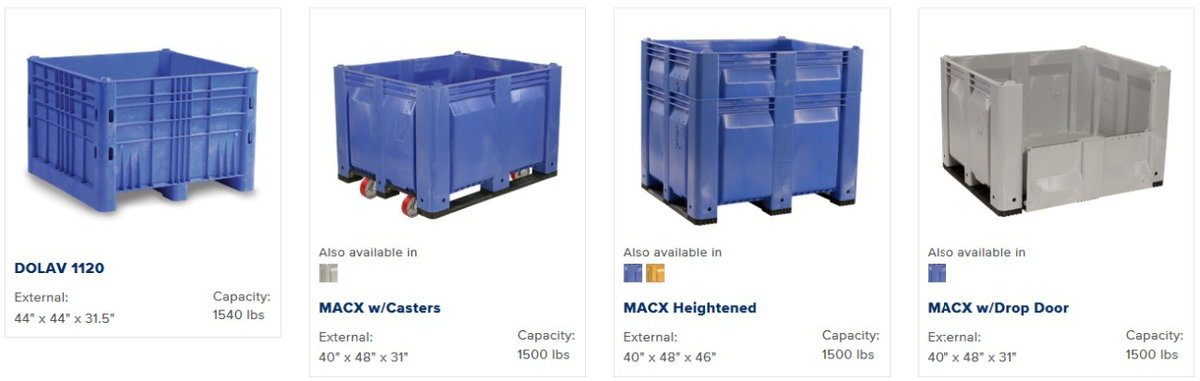
Transportation effectiveness plays a vital duty in the recycling procedure, especially with the optimization of tons capability wholesale plastic containers. By taking full advantage of the quantity of product delivered, companies can significantly decrease the variety of trips needed, thereby decreasing their carbon footprint. This strategy not only boosts functional effectiveness yet additionally contributes to more lasting environmental practices.
Optimizing Lots Capability
Although maximizing load capacity is commonly forgotten, it plays an essential role in enhancing transport efficiency and minimizing ecological effect in reusing practices. By taking full advantage of the volume that bulk plastic containers can hold, recycling procedures can reduce the variety of journeys needed for transportation. This not only reduces gas consumption but additionally decreases the deterioration on automobiles. Effective lots management permits centers to utilize area properly, making sure that each transport cycle is as effective as possible. Furthermore, well-optimized tons can bring about far better settlements with logistics carriers, possibly lowering overall expenses. Ultimately, boosting tons ability adds to a much more sustainable reusing system by cultivating efficient resource use and reducing waste created throughout transportation.
Decreasing Carbon Footprint
As recycling operations venture to reduce their environmental impact, lowering the carbon footprint connected with transportation becomes a critical objective. Bulk plastic containers play a vital duty in accomplishing this aim by boosting tons performance and optimizing logistics. Their lightweight yet resilient style permits for optimum freight room usage, reducing the variety of journeys needed to deliver products. By combining shipments, recycling centers can decrease gas consumption and greenhouse gas discharges. Furthermore, strategically finding recycling facilities lessens transportation distances, in addition decreasing carbon outcomes. In addition, utilizing fuel-efficient automobiles and alternate energy sources enhances total sustainability. By incorporating these techniques, the reusing sector can considerably lessen its carbon impact, adding to a much more lasting future.
Challenges in the Use of Bulk Plastic Containers

Contamination Problems
Contamination issues stand for a considerable difficulty in the reliable usage of bulk plastic containers within recycling methods. These containers usually build up residues from previous materials, causing blended materials that can prevent the recycling process. Contaminants such as food waste, chemicals, or non-recyclable products can endanger the stability of the entire set, leading to increased disposal expenses and reduced reusing rates. In addition, improper cleaning or sorting can worsen these issues, making it tough for reusing facilities to process products successfully. The presence of contaminants not just influences the top quality of recycled products however additionally threatens the general sustainability initiatives targeted at reducing plastic waste. Addressing these contamination obstacles is vital for enhancing the effectiveness of mass plastic container recycling.
Recycling Infrastructure Limitations
Inadequacy in reusing framework postures substantial challenges for the effective monitoring of mass plastic containers. Several recycling facilities lack the capability to refine big quantities of these containers effectively, causing increased prices and delays. Additionally, poor arranging modern technologies commonly bring about contamination, as bulk containers may be blended with various other products, complicating the recycling procedure. Limited transportation alternatives also prevent the movement of mass plastic containers to suitable reusing facilities, leading to increased land fill waste. Additionally, an absence of standard procedures for have a peek at this site mass container recycling produces confusion amongst services and consumers, even more complicating initiatives to promote sustainability. Dealing with these facilities limitations is important to enhance reusing methods and maximize the possibility of bulk plastic containers in a round economy.
Best Practices for Carrying Out Mass Plastic Containers
When companies consider implementing bulk plastic containers in their recycling practices, they need to prioritize a tactical technique that improves efficiency and minimizes contamination risks. Selecting the ideal container dimension and type is important to suit the quantity of products being processed. Organizations ought to likewise develop clear labeling and signs to lead individuals on appropriate disposal approaches, minimizing confusion and mistakes. Normal training sessions for team can even more reinforce these practices, guaranteeing everybody understands their roles in maintaining recycling stability.
Additionally, organizations should apply a regular maintenance timetable to check and clean containers, avoiding the build-up of impurities. Partnering with local reusing centers can likewise enhance the collection procedure, guaranteeing that materials are successfully refined. Organizations need to keep an eye on and evaluate their reusing metrics, utilizing this information to refine practices over time and advertise constant improvement in their sustainability efforts.
The Future of Bulk Plastic Containers in Lasting Practices
As companies significantly prioritize sustainability, the role of bulk plastic Click Here containers in reusing methods is set to progress significantly. Developments in materials science are resulting in the advancement of eco-friendly and recyclable options, boosting the environmental advantages of mass plastic containers. On top of that, the execution of closed-loop systems will certainly enable much easier collection and repurposing of these containers, minimizing waste and resource consumption.
Technological developments, such as clever radar, will enable companies to monitor the lifecycle of bulk containers, enhancing effectiveness in recycling procedures. As consumer demand for lasting practices expands, businesses will likely adopt bulk plastic containers made for reuse and long-lasting value. Moreover, cooperation in between federal governments and industries will certainly cultivate the establishment of standardized reusing procedures, making sure that bulk containers are properly incorporated into broader sustainability initiatives. Generally, the future of bulk plastic containers shows up appealing, with significant capacity for adding to a round economy.
Frequently Asked Inquiries
Just How Are Mass Plastic Containers Made and What Products Are Used?
Bulk plastic containers are generally made from high-density polyethylene (HDPE) or polypropylene (PP) These materials are processed through injection molding or impact molding strategies, resulting in resilient, lightweight containers suitable for various storage and transport demands.
Can Mass Plastic Containers Be Recycled Several Times Prior To Recycling?
Yes, bulk plastic containers can be recycled numerous times before reusing. Their durability and design enable duplicated use in different applications, promoting sustainability and resource performance while lowering the need for new containers.

What Certifications Exist for Bulk Plastic Containers in Recycling?
Various accreditations for mass plastic containers consist of the Recycling Collaboration's qualification, the Cradle to Cradle Certified ™ criterion, and the Lasting Packaging Coalition's standards, making sure containers satisfy certain ecological and recyclability criteria for effective recycling.
How Do Bulk Plastic Containers Contrast to Various Other Recycling Storage Options?
Mass plastic containers use higher resilience and capacity contrasted to various other recycling storage space choices, minimizing the threat of contamination and assisting in reliable transportation. Their layout sustains far better organization, improving general effectiveness in reusing operations.
What Is the Life expectancy of a Bulk Plastic Container in Recycling Processes?
The life-span of a mass plastic container in recycling procedures normally varies from 5 to ten years, depending upon usage, worldly high quality, and ecological problems, enabling several cycles of usage before ultimate disposal or recycling.
When organizations prioritize recycling initiatives, the usage of bulk plastic containers greatly enhances the performance of the process. Transport performance plays an essential role in the recycling process, specifically through the optimization of tons capacity in bulk plastic containers. The usage my company of bulk plastic containers in reusing practices faces substantial obstacles, especially worrying contamination problems and constraints within recycling infrastructure. Contamination issues stand for a significant challenge in the reliable usage of mass plastic containers within reusing methods. When organizations take into consideration applying bulk plastic containers in their reusing techniques, they must focus on a calculated approach that boosts performance and minimizes contamination risks.